

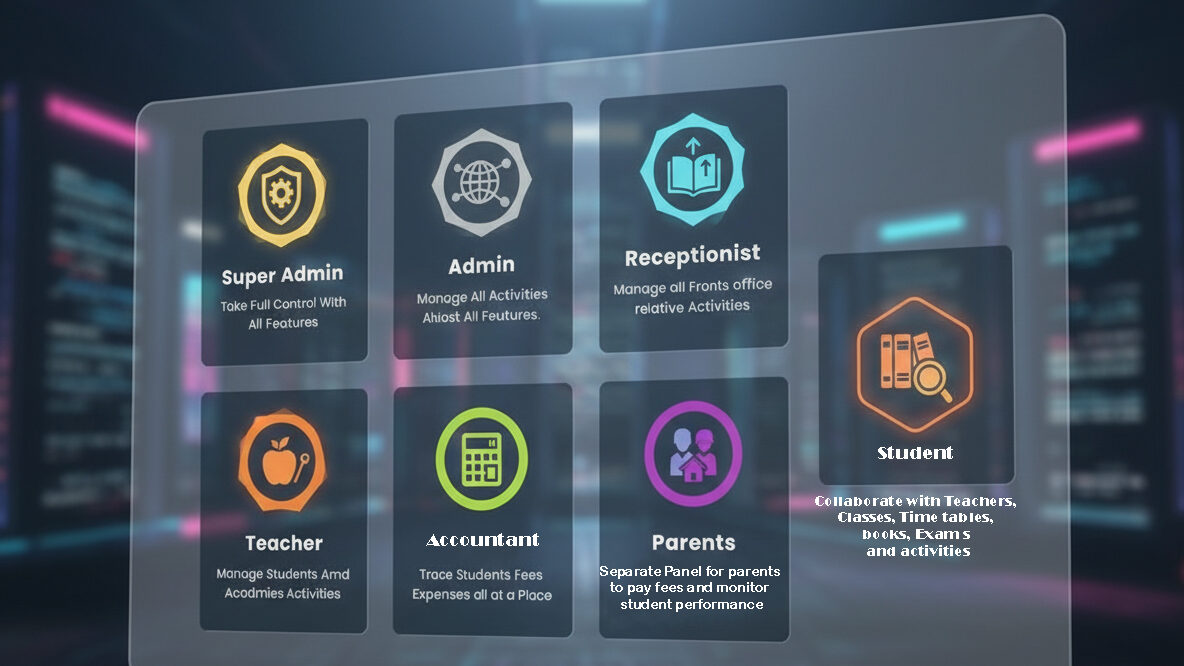
The Modern School: Why a Management System is No Longer Optional
In the rapidly evolving landscape of education, the traditional “pen-and-paper” method of managing a school is becoming a relic of the past. As institutions grow, the complexity of tracking students, staff, finances, and academic progress grows with them. This is where a School Management System (SMS) transitions from being a luxury to a fundamental necessity.
Here is a look at why modern schools are making the switch and the tangible advantages they gain.
1. Centralized Data Management
One of the greatest hurdles in school administration is fragmented data. When student records, fee receipts, and exam marks are stored in separate physical files or disconnected spreadsheets, retrieving information becomes a nightmare.
An SMS provides a “single source of truth.” Whether you need to check the inventory, track a student’s history, or review library issues, everything is accessible from a single dashboard. This central hub eliminates data redundancy and ensures that every department is working with the same updated information.
2. Streamlined Financial Operations
Managing school finances involves a high volume of transactions—from monthly tuition and library fines to extracurricular fees and staff salaries.
- Automated Invoicing: Systems can automatically generate fee invoices and categorize them by specific fee types.
- Expense Tracking: By logging school expenses and managing payroll within the same system, administrators get a real-time view of the school’s financial health, significantly reducing the risk of human error or oversight.
3. Enhanced Communication and Transparency
A school thrives on the synergy between teachers, parents, and students. An SMS bridges the communication gap through:
- Digital Notice Boards: Electronic notices ensure that parents and staff receive urgent updates instantly on their devices.
- Attendance Tracking: Real-time logging allows parents to be notified immediately if a child is absent, enhancing student safety.
- Continuous Feedback: Teachers can provide granular remarks on performance that parents can monitor throughout the term, rather than waiting for the end-of-year report card.
4. Academic Excellence Through Analytics
Beyond simple record-keeping, a management system acts as a powerful analytical tool. By looking at exam marks and timetables, school heads can identify patterns and answer critical questions:
- Which subjects are students struggling with most?
- Is there a correlation between staff attendance and student performance? Data-driven insights allow for timely interventions, ensuring no student—or teacher—falls behind.
5. Optimized Resource Allocation
Running a school involves managing physical assets as much as academic ones. A robust system helps manage:
- Hostel Management: Tracking rooms and residents ensures optimal occupancy and safety.
- Inventory & Library: Keeping tabs on books and equipment prevents loss and helps in budget planning for the following year.
- Venue Scheduling: Coordinating venues for exams or activities prevents double-booking and logistical chaos.
Conclusion: Future-Proofing Education
The primary goal of any school is to provide a high-quality learning environment. When administrators are bogged down by repetitive manual tasks, they have less time to focus on educational strategy. A School Management System automates the “noise” of administration, allowing educators to focus on what matters most: the students.
In 2026, a school without a digital backbone isn’t just behind the times—it’s operating at a disadvantage.
Get iSchool for your Institution
Join hundreds of schools digitizing their operations.
Lovely.